Castello in Venice Italy
Castello in Venice is a getaway from the theme park feel of St Mark's Square.
In some ways, it has a feel of small-town Italy, with old ladies gossiping in the squares and kids playing in the lanes. This is the real Venice.
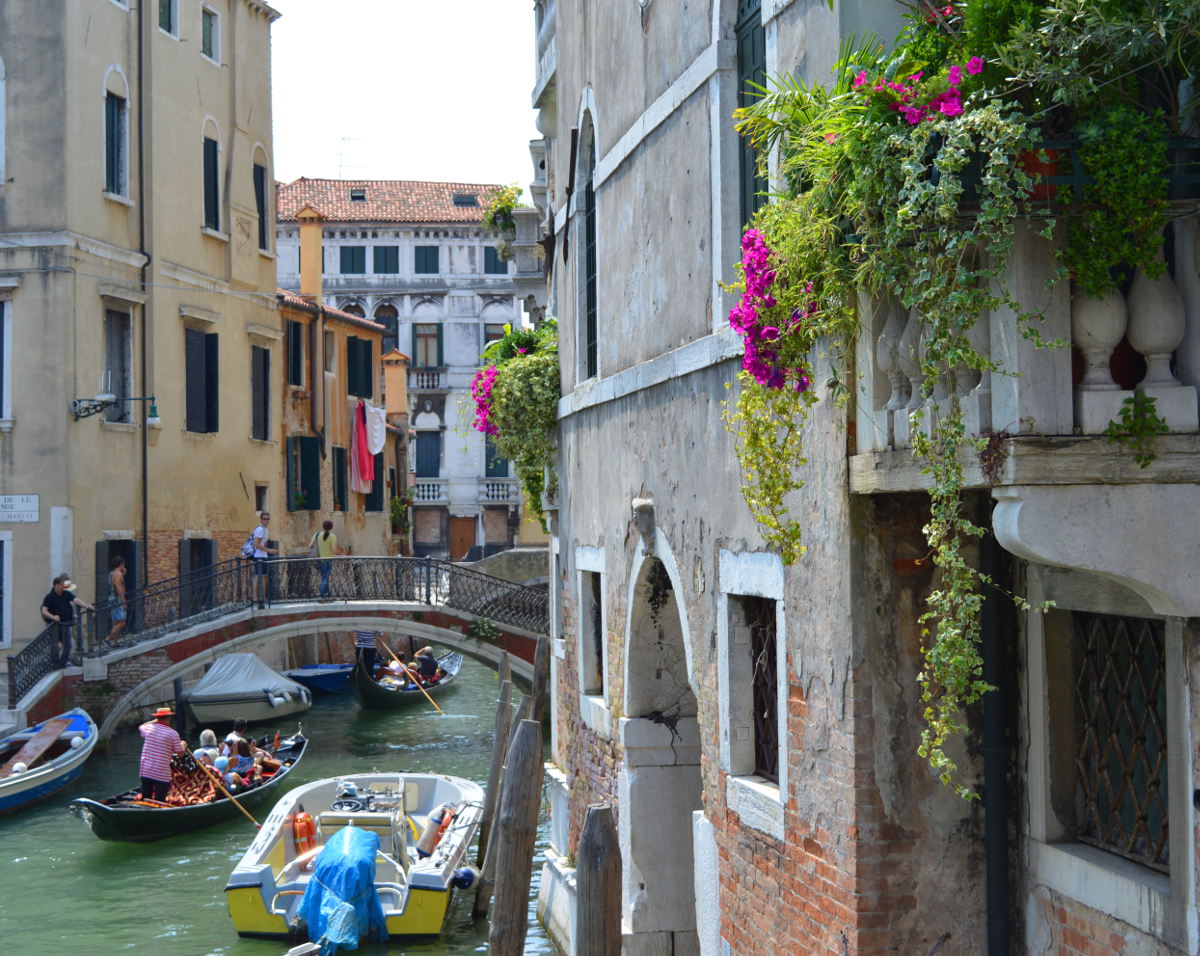
An Affordable Place to Stay in Venice
Castello is a very good choice when it comes to looking for somewhere to stay in Venice. It is not far from all the main sights of Venice but is a world away from the inflated prices and shoulder-to-shoulder crowds elsewhere.
So, where should you stay in Castello? First choice must be The Venice Metropole Hotel. Fabulous indeed, if you want superb service, superior accommodation, and a location that would be very difficult to beat.
The Metropole is a little expensive, though, so if you'd prefer something a little more affordable, try these hotels.
Exploring Castello
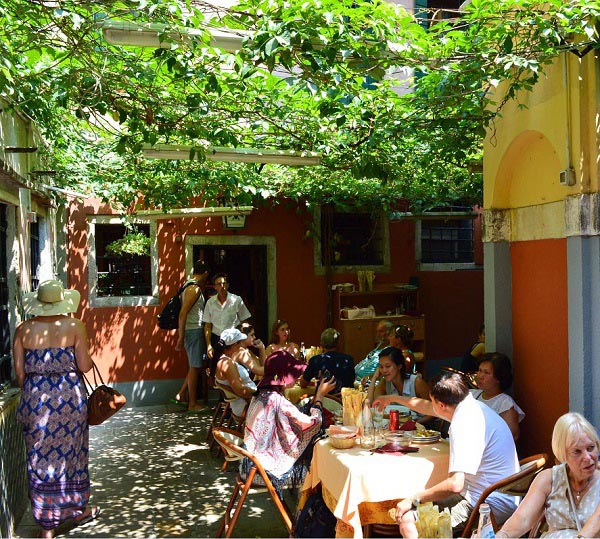
Castello is the area to the left of St. Mark's Square as you stand looking out at the water. It varies considerably in character, getting more touristy and affluent the closer you get to Saint Marks Square.
Going the other way, the further you go east, the less touristy and more authentically Venetian the area appears. If you get lost, visit our maps of Venice Italy page.
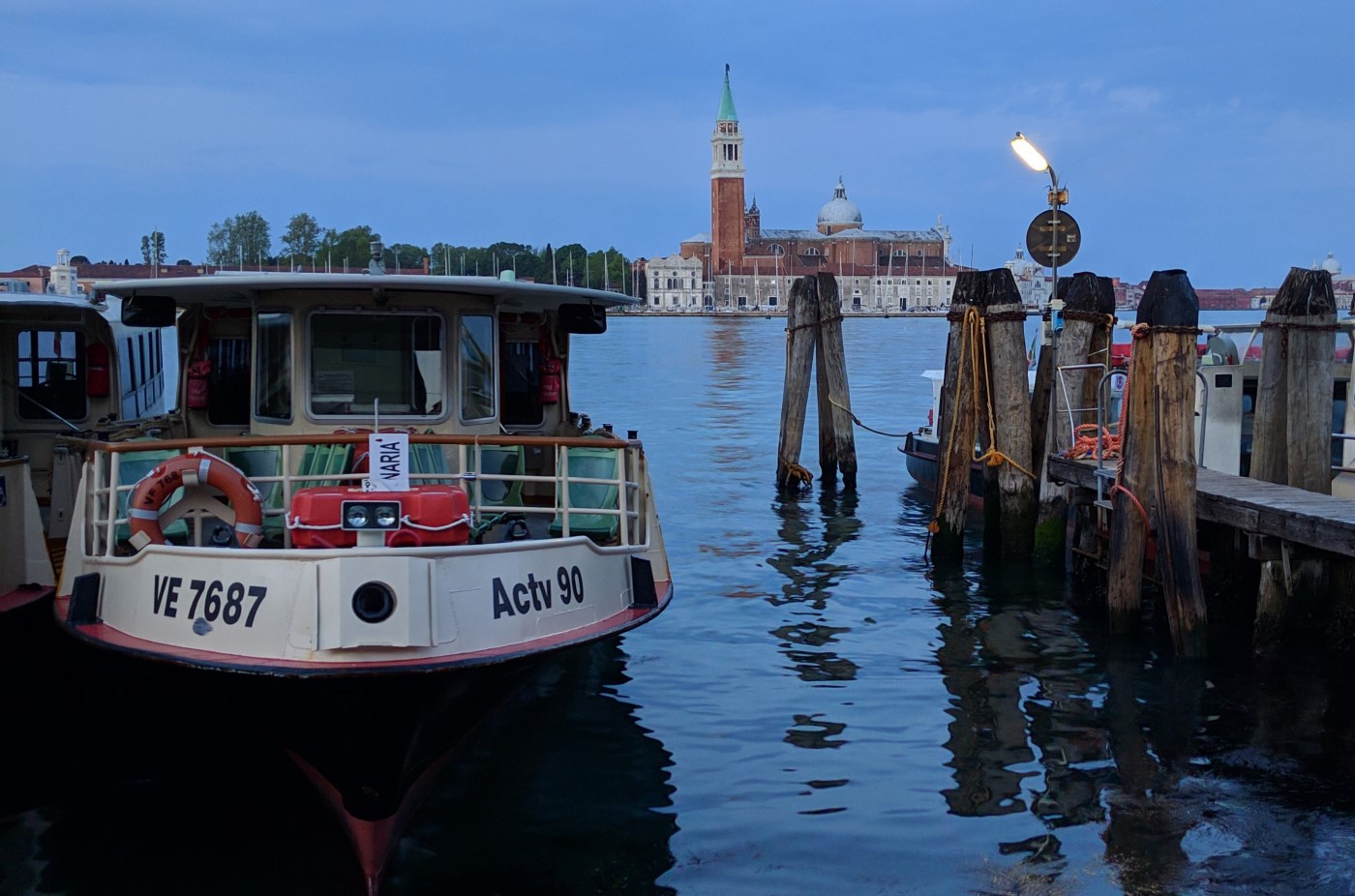
The eastern waterfront offers lovely views across San Giorgio. The best time to visit the waterfront is early in the morning, when there are fewer people about.
Castello is famous for its Arsenal (Arsenale). This is the original armory and naval dockyard of Venice.
My English father-in-law, an Arsenal supporter (football/soccer team) tells me that the word originates here: I don’t know how true that is, though.
Castello has lovely parks too, some of the best parks in all of Venice, my parks section mentions a few of these. In Castello too are the Giardini della Biennale, home to the renowned Venice Biennale art exhibition, where you can immerse yourself in contemporary art and culture.
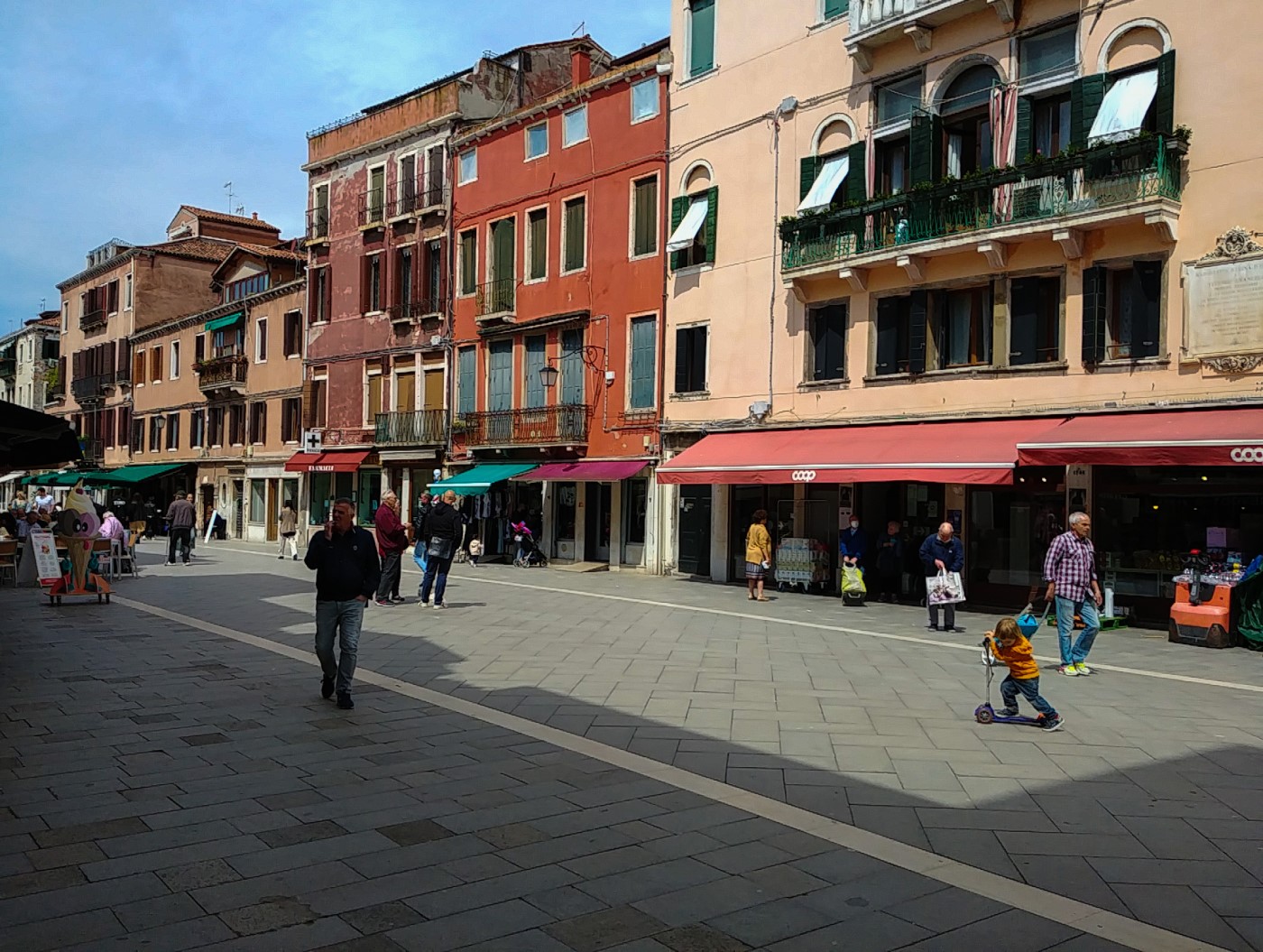 Via Garibaldi
Take a stroll up Via Garibaldi, which is one of the few wide avenues that Venice has. This seemingly endless thoroughfare, also known as the "Giardini," offers a unique perspective of the city that's far removed from the iconic canals and gondolas.
Here, centuries-old architecture coexists harmoniously with modern boutiques, cafes, and lively local markets. It's a place where you can savor the genuine Venetian way of life and escape the bustling tourist areas.
The street teems with authentic Venetian life, where children play in quaint squares and elderly neighbors exchange pleasantries from their balconies. The ambiance is palpable, and it's a haven of tranquility in a city often overrun by visitors.
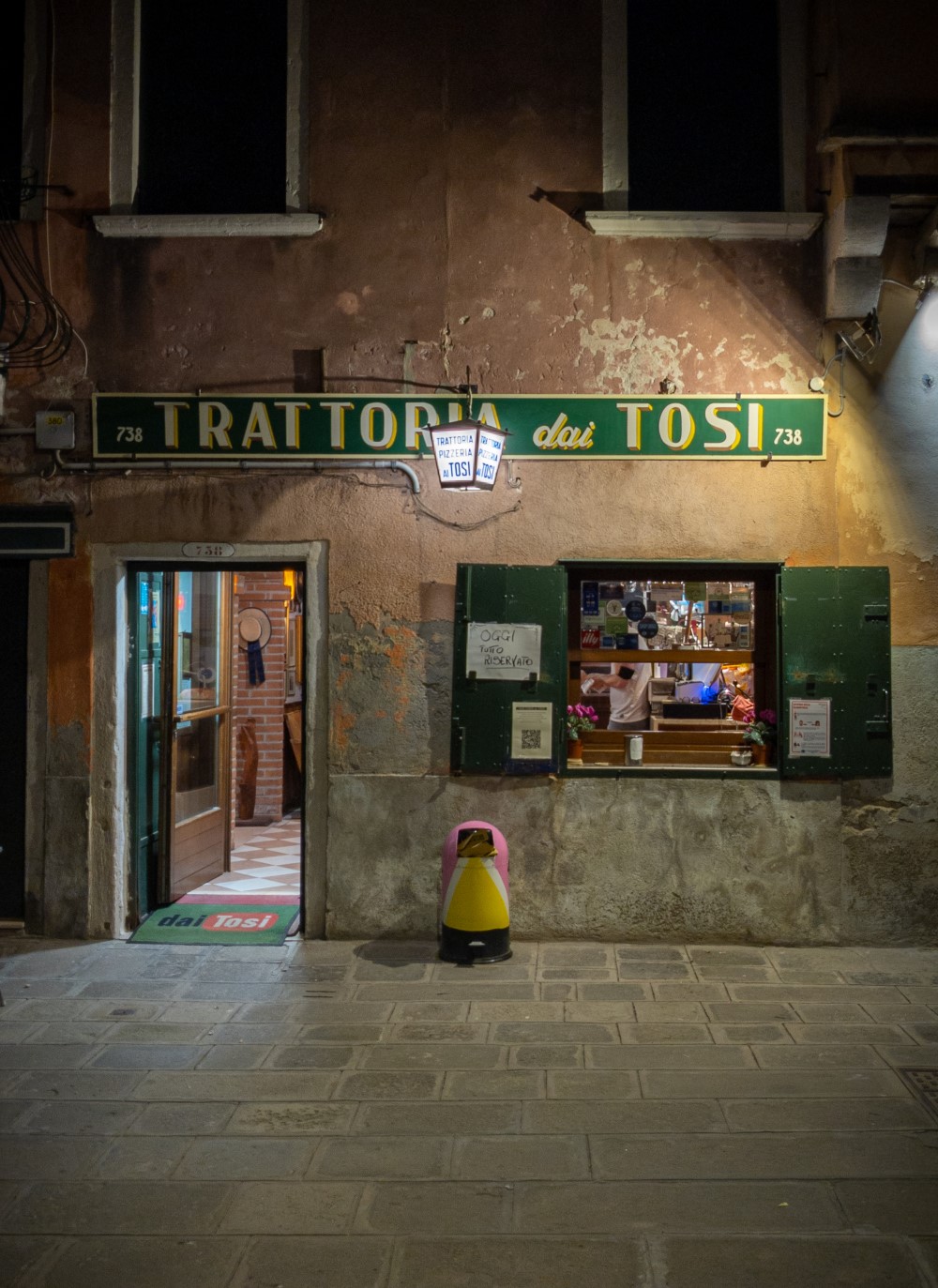
Nearby, you'll find one of my favorite restaurants in Venice, its the Trattoria dai Tosi and you'll find details about it in my Venice Restaurant Guide.
The Greek Community
Eastern Castello was home to one of Europe’s most important Greek communities.
According to expert Greek sources, a Greek restaurant owner friend of mine who seems to know everything that has to do with Greek communities everywhere, this community was instrumental in the Byzantine architectural style to be found throughout Venice and had a major influence on Venetian intellectual life.
Many of the Greeks who moved to Venice came from the Dalmatian coast of Yugoslavia (once a Greek colony) and they were given the name Schiavoni. You will find many places named after them—the most famous perhaps being the Riva degli Schiavoni.
Centre point of the Greek community was San Giorgio dei Greci. This 16th century church includes some superb mosaics and a 14th century Byzantine Icon, Blessing Christ, which is of major significance. The church is the most important Greek church to be found outside of Greece or Turkey.
Other Sights
San Giorgio degli Schiavoni
The ancient school of the Greek Dalmation community, the building contains a series of nine masterpieces by Vittore Carpaccio, featuring Saint George, Saint Jerome, and Saint Augustine.
San Francesco della Vigna
Together with Santa Maria Gloriosa dei Frari this is the second of the two Franciscan churches to be found in Venice.
It is a lovely 16th century church, in simple Franciscan style, but personally I prefer Santa Maria Gloriosa dei Frari. The church houses some beautiful artwork by Battista Franco and Francesco Fontebasso.
My personal favourite is the touching painting of the Madonna and child by Antonio da Negroponte.
Venice's Red Light District?
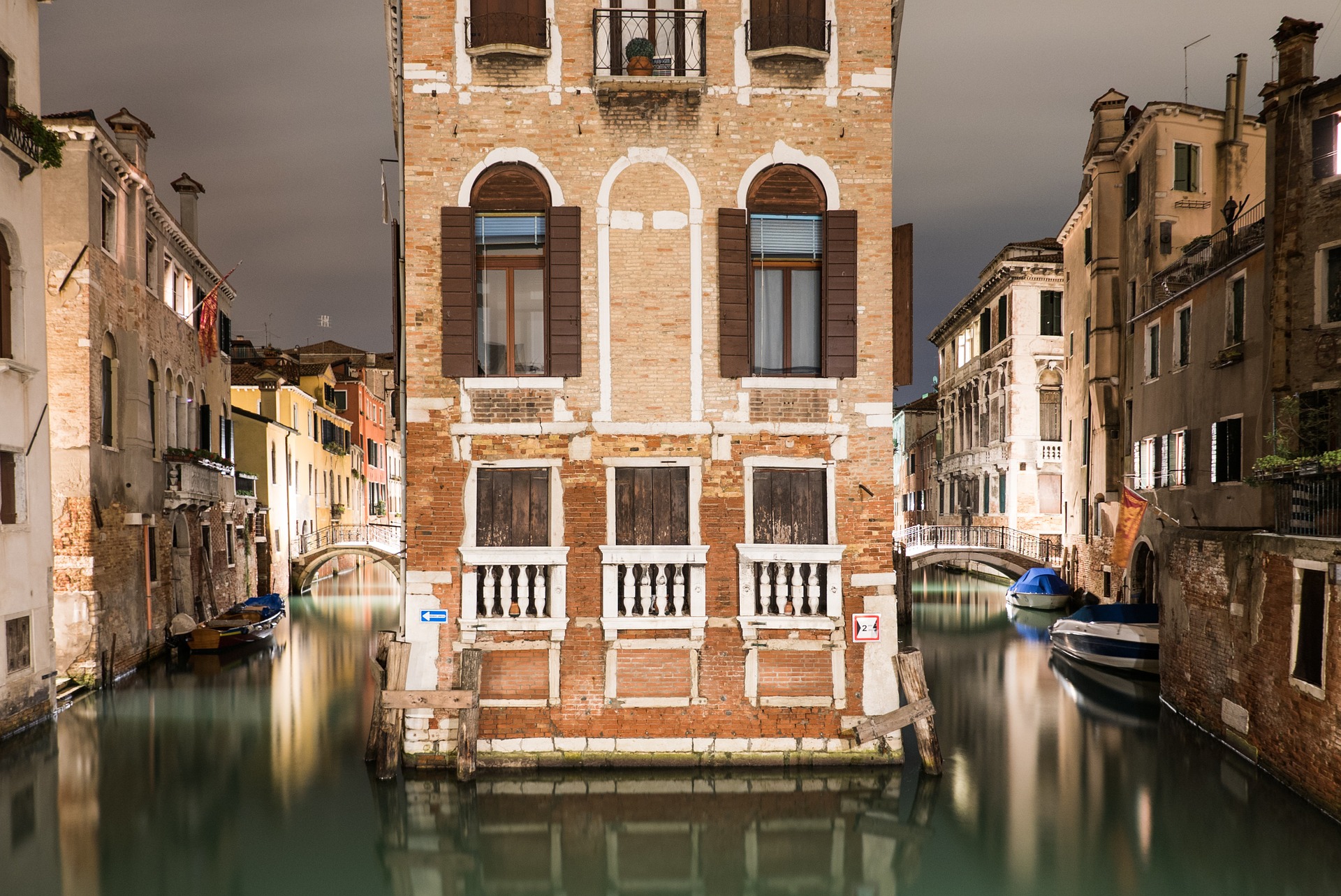
A lot of people will tell you this was, in centuries past, the centre of Venice's red light district.
It wasn't. Despite nearly every website about Venice now spreading this fake story :-(
The name, Tetta, means breast in Italian, but it is actually the name of a noble family who once lived in this building.
And what a magnificent building it is!
Almost like a ships prow cutting through the waters; unique in that it is the only building in all of Venice to be surrounded on three sides by water.
It is just around the corner from the Acqua Alta bookstore, which we write about further down the page. You can see the entrance to the bookstore along the canal to the right of the photo. It is where the flag and boat are.
To get the best view of Palazzo Tetta, the one in the photo, head onto Ponte dei Conzafelzi. It was the setting for the big fight scene in the Mission Impossible 7 movie. The scene, watch it below, captures beautifully the mystery and haunted beauty of a misty winter's evening in Venice.
Venice’s Naval Museum
Near the Arsenale, this museum should be visited by anyone who wants to understand fully the history of Venice, Italy. For Venice as a trading city, built on water, was vital and this museum provides an interesting insight. The Gondola display is the best part.
Santi Giovanni e Paolo (San Zanipolo)
A big church built in the 15th century. Very big and very impressive. Definitely well worth visiting.
Campo Santi Giovanni e Paolo
This is the square in which the church previously mentioned is to be found.
Second only to Piazza San Marco, it is a lively and pleasant place and the atmosphere is different to St. Marks – less commercialized and more authentic and charming.
The 15th century Scuola Grande that faces onto the square has one of the loveliest facades in all of Venice and that is indeed something when you consider the competition.
Acqua Alta Bookstore
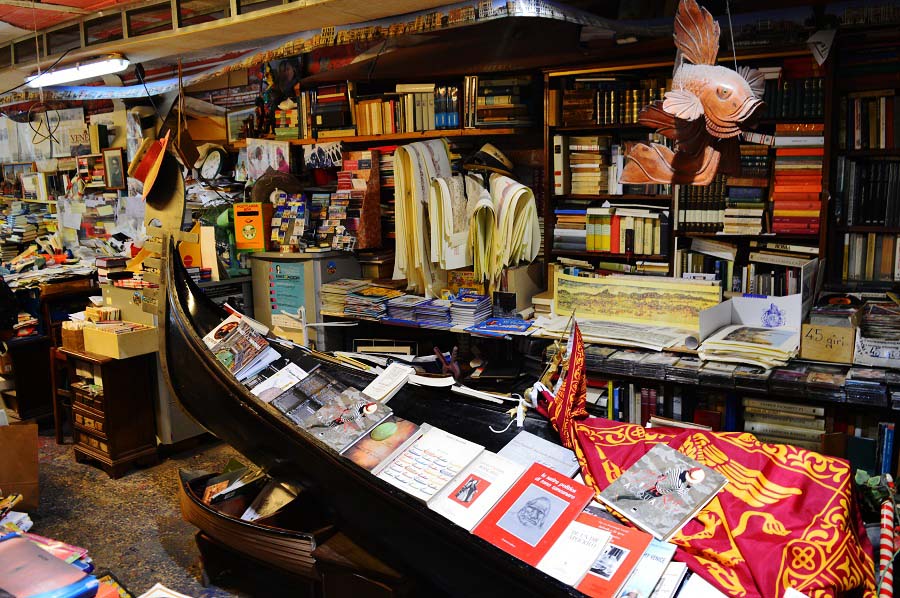
Time to enter another world! The moment you walk through the door, into this fantastical bookstore, that is where you'll find yourself. One of the must-see sights of Castello. Read more about it here.
Santa Maria Formosa
Situated in a busy and rather pleasant piazza (campo) this 15th-century church is nice enough but nothing special.
What Else?
A number of other sights are worth seeing while you are in Castello. These include San Zaccaria which has some great artworks by Bellini and the La Pieta church on the Riva degli Schiavoni, the church where Vivaldi was once choir master.
Don't miss a visit to the lovely little island of San Pietro di Castello. Here's why you must visit and why you need to visit the last week of June.
Please Book with Us... Maria here, if you enjoy my site I'd love your support.
Simply book your next trip anywhere (not only to Italy) via the link below or with any of the hotel links on the website.
You'll get the best deal available and the income I receive helps me to remain independent and to keep bringing you more of beautiful Italy.
You'll Enjoy These...
Venice in July - Here's All You Need To Know
Great advice on how to avoid the crowds if you are visiting Venice in July and some wonderful ideas on things to do.
Discovering the Best of Venice
The best of Venice - 6 experiences you simply must have if you are visiting Venice. Here is the list...
Venice Italy - The 6 Things you HAVE to See
There's so much to see in Venice Italy that you can become overwhelmed. Before you despair, here is the list of the 6 sights you absolutely must see...
Beautiful Pictures of Venice Italy and Verona
Pictures of Venice Italy features some beautiful photos of Venice, capturing the timeless beauty of the greatest city on earth.
The Easter in Venice Guide
Easter in Venice is wonderful, there's a special feeling in the air and Easter is still celebrated in the traditional way. Be a part of it - click for more.
The Best Tours of Venice Italy
The best tours of Venice Italy, selected by an insider. Walking tours, gondola trips, St. Mark’s Basilica and even a creepy ghost tour. We have it all!
The Canals of Venice - Exploring the Grand Canal
Of all the Venice canals, the Grand Canal is the greatest and perhaps the most beautiful avenue in the world. A beautiful avenue of water lined with palaces
A Beautiful Selection of photos of Venice and elsewhere
Discovering the real Venice and Italy: personal experiences, tips, and itineraries illustrated by beautiful photos of Venice and elsewhere.
A Guide to the Splendor and Secrets of the Doge’s Palace
The Doges Palace is one of those great buildings that exceed even the highest expectations. On a sunny day the building seems to almost float above the Piazza.
The Metropole Hotel in Venice - what you need to know before you go
The Metropole Hotel in Venice has a perfect location and it is billed as one of the most romantic hotels in Venice. Is this really the case?
Shopping in Venice - The Guide
Shopping in Venice is often just an endless maze of tacky souvenir shops. Avoid them; join me as I show you where to shop. Discover authentic Venetian products
Venice Churches - Santa Maria Gloriosa dei Frari
Of the many lovely Venice churches, this is one that absolutely has to be added to your must-see list when in Venice. Discover why with our guide.
Flights to Venice Bargain Finder Guide
All you need to know about flights to Venice Italy and an insider guide to the beautiful cities of Venice and Verona. However you get here make sure you do. Everyone should see Venice and Verona.
St Marks Basilica - Here is EVERYTHING You Need to Know
Unlock the secrets of St. Mark's Basilica with ItalyMammaMia! Immerse yourself in its rich heritage and awe-inspiring architecture.
6 Places to See near Venice
Visiting Venice? There is so much nearby too. So, don’t go missing these 6 incredible and unforgettable sights that will make your trip even more magical!
Venice in Photos
Venice in photos takes you on a visual journey through one of the loveliest cities on earth. An absolutely stunning experience.
THE Guide to Car Rental in Venice Italy
Car rental in Venice and elsewhere in Italy can turn into a nightmare. Read our 10 essential tips to ensure you avoid that nightmare happening to you.
Venice Treviso Airport: Tips for Getting to Venice Easily
Your go-to guide for Venice Treviso Airport: find the best flight deals and learn how to travel easily from the airport to Venice
Looking for a flight to Venice or Verona?
Looking for a flight to Venice or Verona? Our guide is essential reading. From anywhere in Europe or the USA we have your best options.
The Italy! Mamma Mia! Blog
The ItalyMammaMia Blog shares news, beautiful Italian places, recipes and travel advice. We've videos and essential information for planning your next trip to Italy.
A Virtual Journey through Venetian Life
Real Venetian life is lived far from the tourist spots. Down the little canals and lanes is where you'll discover the real Venice.
The Colorful World of Burano
Discover a place where every cottage is a different hue and where each and every color mixes and dances in the reflection off the canals. This is Burano!
Where to Stay in Venice: Ultimate Guide to Hotels and Neighborhoods
Find out exactly where to stay in Venice with our ultimate guide. Explore the top hotels, neighborhoods, and hidden gems for every type of traveler.
The Best Discoveries are Made While Lost in Venice
Getting lost in Venice is the way to discover the amazing secrets and soul of this city. Join us on an adventure down the secret alleys and forgotten canals
Visiting Burano Island - A Mini-Venice Colored Bright
When the crowds of Venice start getting on your nerves and your mood turns grey that's when you need to color your life bright... with a Burano island visit.


More Travel Tips:
- Book your tickets to museums and other attractions in advance on Tiqets.com
- Book your accommodation. Booking.com and Agoda help you to book accommodation in advance
- Book your excursions. Wherever you go, make the most of your time! Excursions with professional guides will help you do this - choose a location and the best option for yourself on Viator or Getyourguide
- Book your car. At least a month before is best. Use Discover Car Hire.
- Cash Back on Flights: Great deals & money back with WayAway
- Get peace of mind when traveling. Get insured with VisitorsCoverage.com
- Home
- Secrets of Venice
- Castello

Support Us Via our Sponsors
I earn a small % on purchases. it costs you no more.
For full sponsor list visit our privacy policy
As an Amazon Associate I earn from qualifying purchases.


New! Comments
Have your say about what you just read! Leave me a comment in the box below.